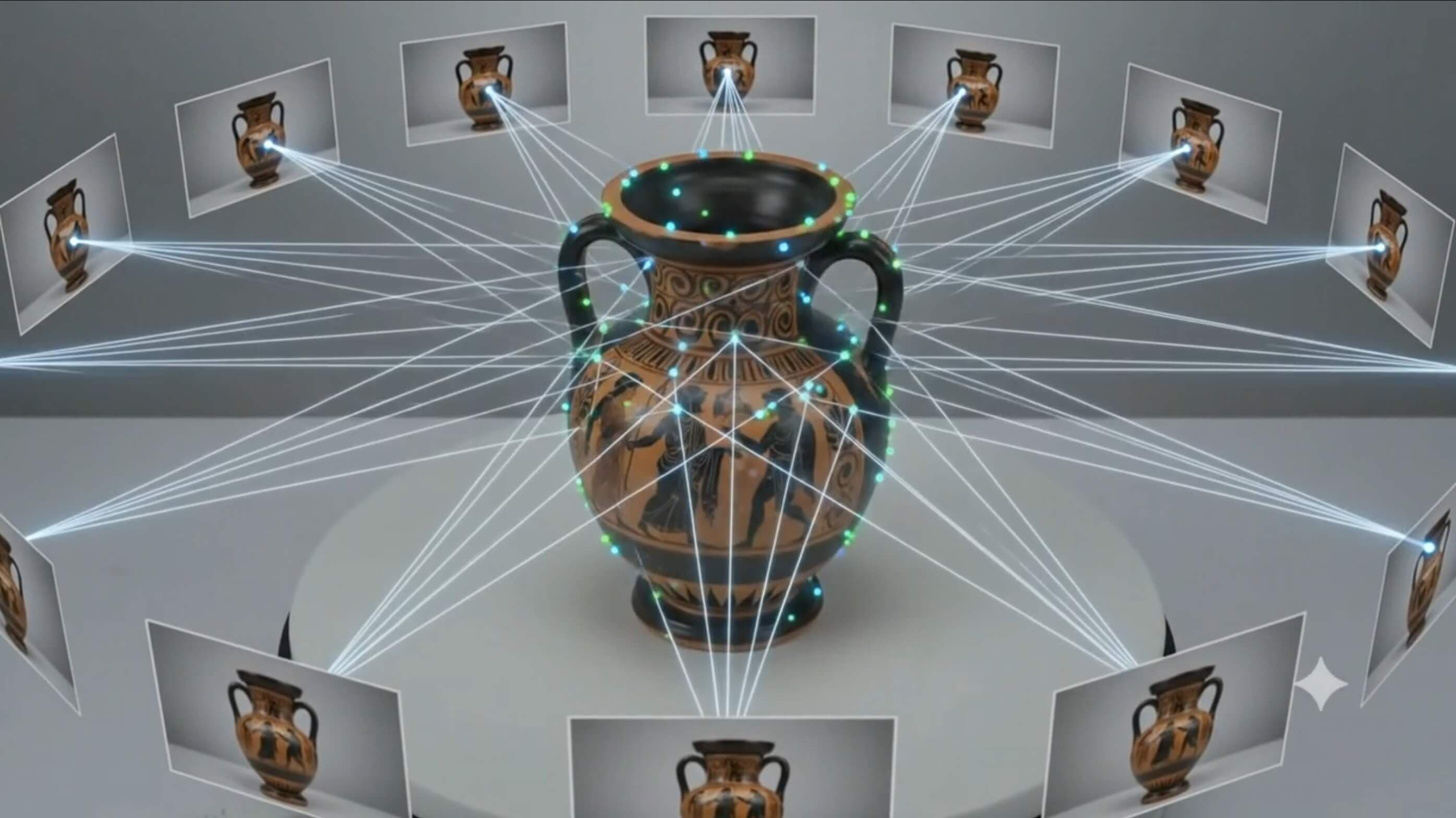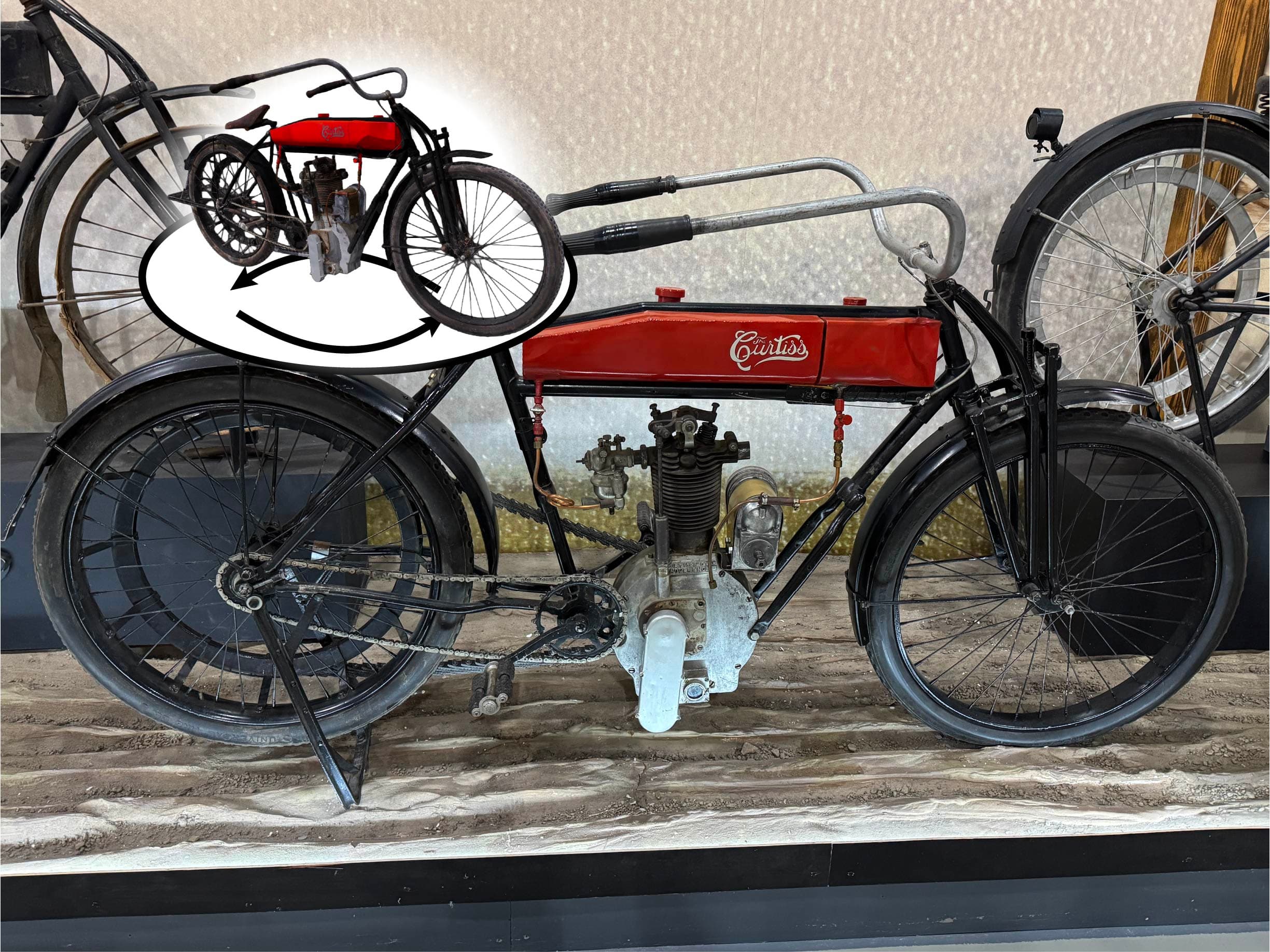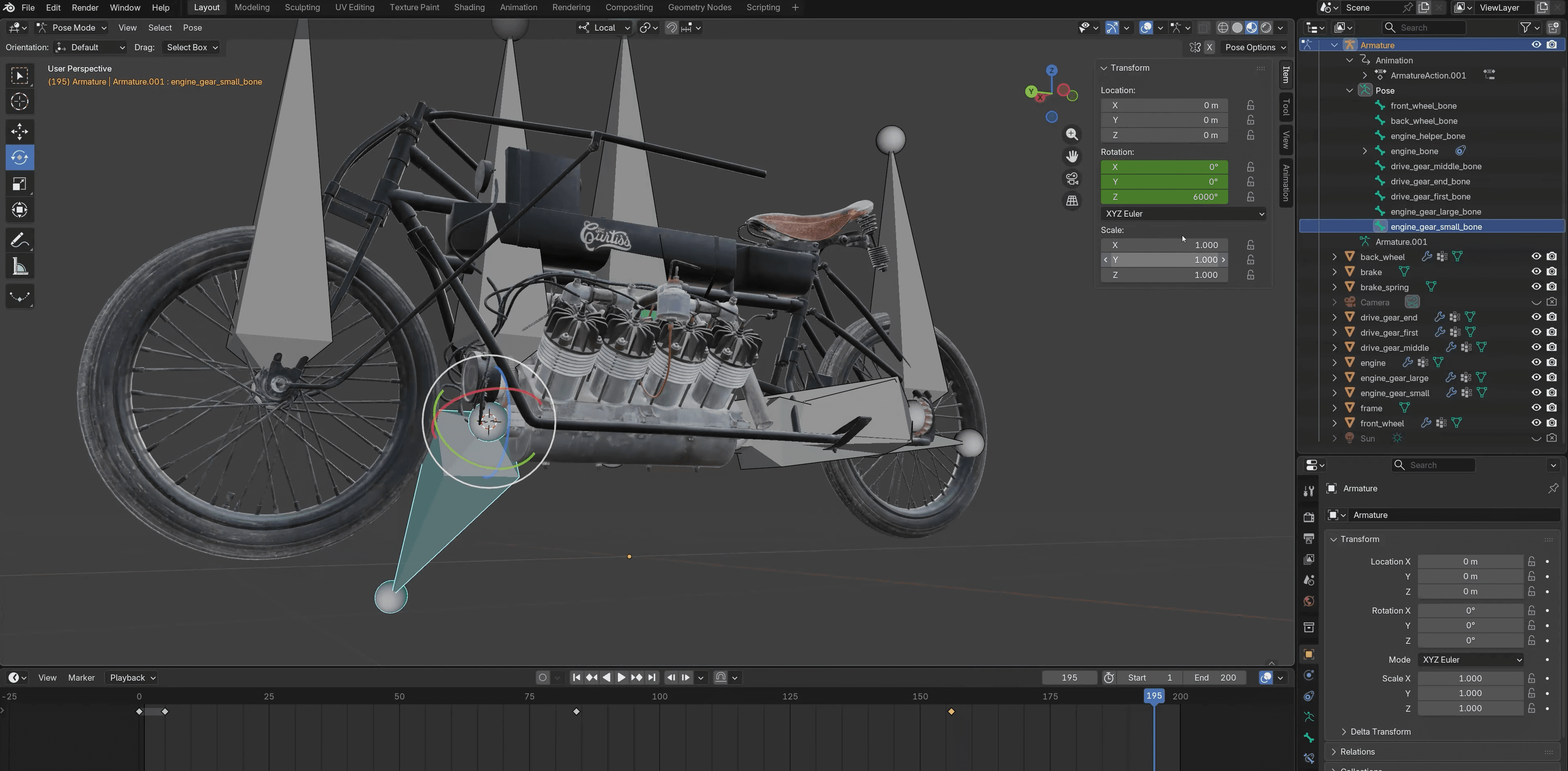
Photogrammetry often struggles with shiny, transparent, or featureless objects. AESUB Blue spray was created to solve exactly that problem. It applies a temporary, self-vanishing matte coating that improves texture visibility and prevents glare, allowing software to align photos accurately. But deciding whether to use it in a museum setting requires weighing benefits against conservation risk.
What AESUB Blue Does

AESUB Blue is specifically designed to address common photogrammetry challenges:
- Creates a temporary matte surface: Evens out reflections on metal, glass, ceramics, or polished stone, making it easier for photogrammetry software to detect matching features across multiple photographs.
- Adds fine surface texture: Helps cameras find matching points on smooth or monochrome objects that would otherwise be difficult to align.
- Evaporates without cleaning: The coating disappears after a few hours, leaving most hard surfaces unchanged—no manual cleanup required.
This makes it particularly useful when photographing objects that would normally require extensive lighting setup or produce poor scan results due to their surface properties.
Safety for Museum Objects
AESUB Blue is formulated to leave no residue, and many conservators have used it safely on modern, non-porous materials. Still, the effect depends heavily on surface type and condition.
Generally suitable for:
- Metals, glass, plastics, modern ceramics
- Painted or coated surfaces in stable condition
- Objects approved for photography and handling
Use with caution or avoid on:
- Porous or organic materials (wood, bone, paper, textiles)
- Stone, terracotta, or paint layers showing cracks or flaking
- Any object under conservation or with uncertain composition
Important precautions: Always consult a conservator before use, apply in a ventilated area, and test on an inconspicuous spot first. Document every application for conservation records—this creates a paper trail that's essential for institutional archives and future reference.

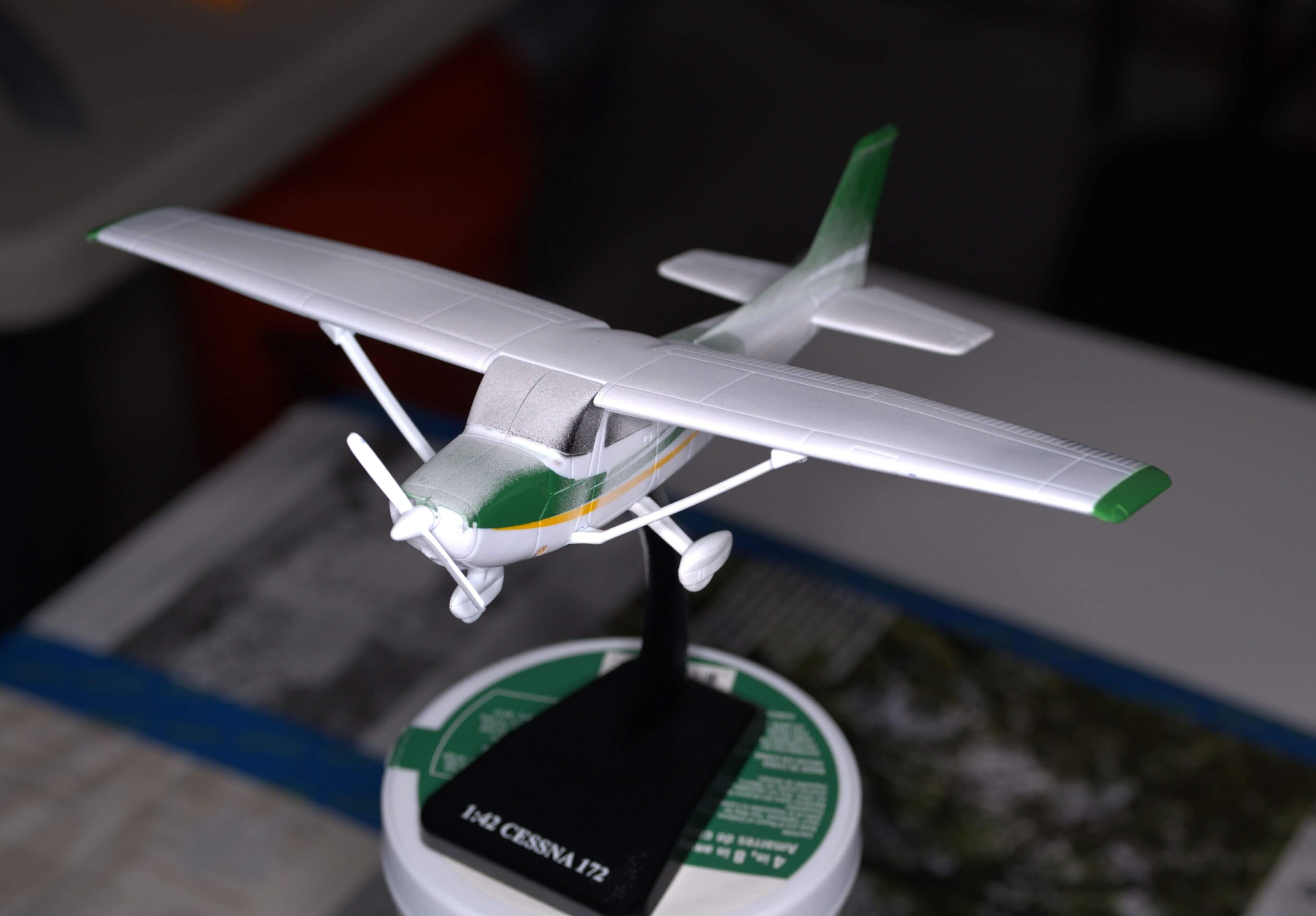
Model before applying AESUB Blue spray

Model with AESUB Blue spray applied
Pros and Cons
Pros
- No cleanup required: The layer evaporates fully, eliminating post-scan maintenance
- Fast and reversible: Compared to other matte sprays, AESUB Blue offers quick application and automatic removal
- Enables accurate scanning: Makes it possible to scan objects that were previously impossible to capture with photogrammetry
- Minimal dimensional error: For most heritage-scale work, the added layer doesn't significantly impact dimensional accuracy
Cons
- Aerosol propellant concerns: Requires proper ventilation and careful application to avoid overspray onto nearby objects
- Policy restrictions: May be prohibited by conservation policy, even if residue-free
- Micro-geometry alteration: Adds a thin layer that can slightly alter micro-geometry, which may be unacceptable for some precision work
- Higher cost: Costs more per session than optical fixes like cross-polarized lighting
- Surface limitations: Not safe for fragile or absorbent surfaces
Alternatives to Consider
Before reaching for AESUB Blue, consider these alternative methods that may be more appropriate for sensitive artifacts:
- Cross-polarized lightingCancels reflections without coating the object. This optical technique eliminates glare by using polarizing filters on both the light source and camera lens, providing a non-contact solution that requires no surface modification.
- Laser scanningWorks better on reflective objects in some cases. Laser scanning technologies can capture geometry even from highly reflective surfaces without requiring surface preparation, offering a completely non-contact scanning method.
- Other surface powders (flour, baby powder, etc.)Common household powders like flour or baby powder can work fine for some applications, such as non-fragile objects and larger area scans. However, these materials are not self-evaporating and require manual cleaning that can be abrasive or leave residue. Unlike AESUB Blue, these powders must be carefully removed, potentially requiring solvents or brushes that could damage delicate surfaces. They are generally unsuitable for museum and conservation applications where surface integrity is critical.
Bottom Line
AESUB Blue can be an efficient, low-impact tool for scanning durable, non-porous artifacts when conservators approve its use. For irreplaceable or fragile pieces, non-contact lighting and imaging methods remain the safer choice. Each museum should assess both object type and institutional policy before adoption.
The decision ultimately comes down to balancing scan quality needs against conservation priorities, and when in doubt, always err on the side of caution. Consulting with conservators and exploring non-contact alternatives first is the responsible approach for cultural heritage work.
Considering a Museum Scan?
Learn more about our 3D scanning services to see how we handle challenging surfaces and work within conservation constraints.
Get Started Today