Gaussian Splat Example: Eliot Tower
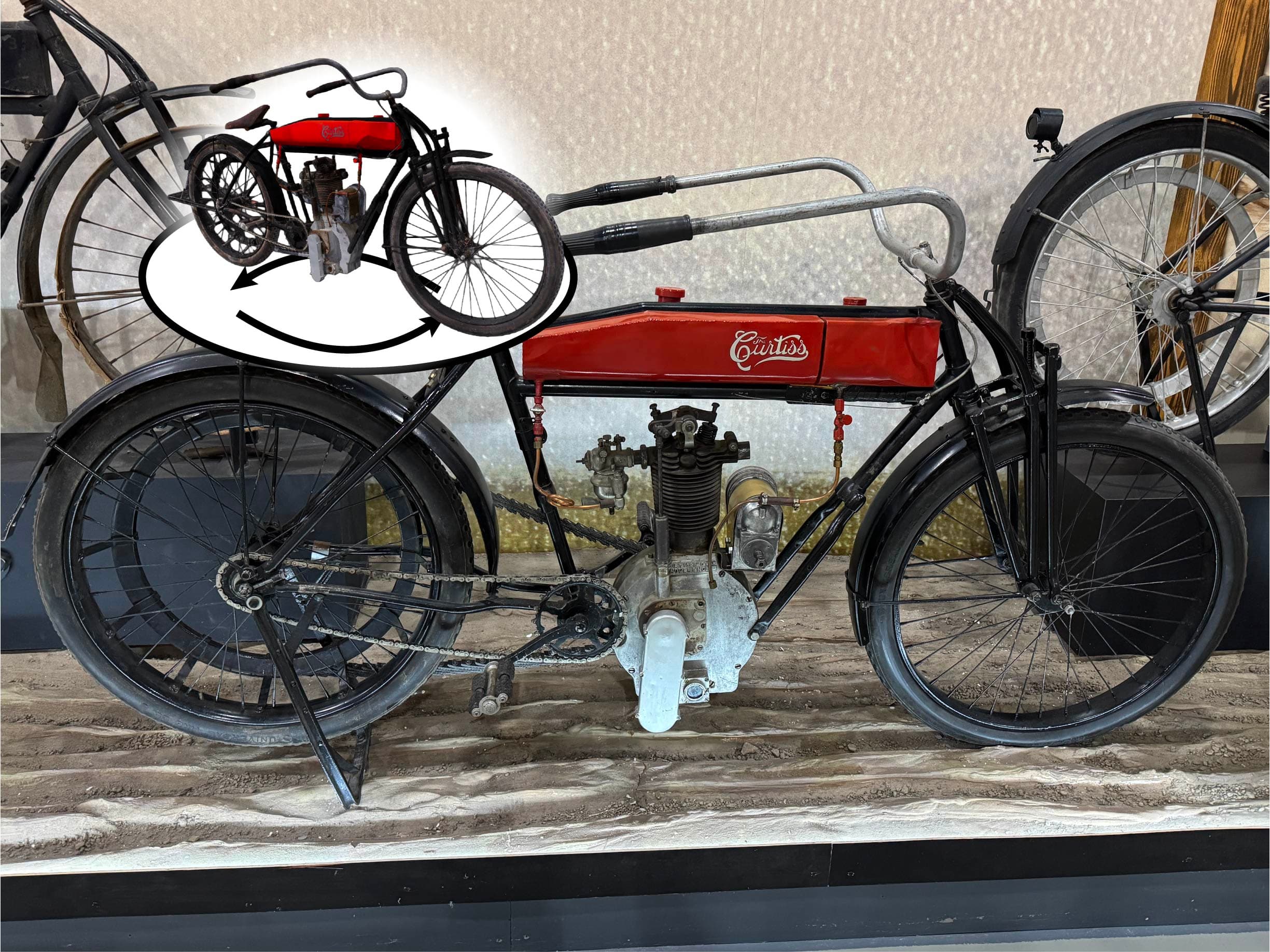
This interactive example demonstrates the visual quality and smooth rendering of Gaussian splatting technology. Use your mouse to rotate, zoom, and explore the scene.
Loading Gaussian Splat...
0% Complete
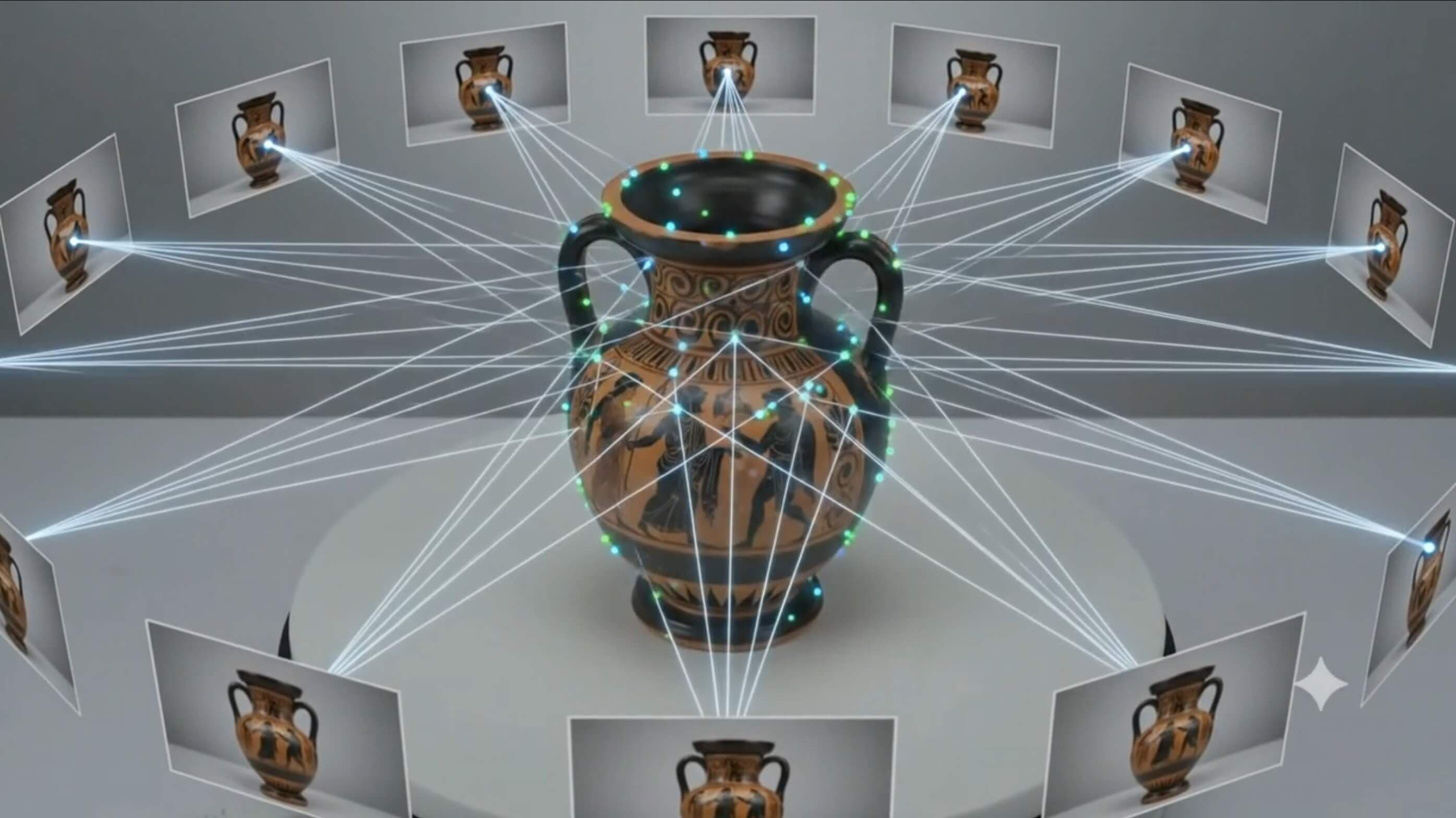
I recently created a 3D reconstruction using Gaussian Splatting, an emerging method for representing 3D scenes with remarkable realism and efficiency. Unlike traditional photogrammetry, which builds surfaces from meshes and textures derived from many overlapping photos, Gaussian splats represent scenes as dense fields of tiny "points of light" with color, opacity, and spatial variance. The result is smoother lighting, faster rendering, and a more immersive visual experience without the heavy geometry of mesh-based models.
What Makes Gaussian Splatting Different?
Traditional photogrammetry creates 3D models by reconstructing surfaces—building meshes with vertices, edges, and faces, then applying textures derived from photographs. This approach works well but can produce visible seams, require significant processing power, and result in large file sizes.
Gaussian Splatting takes a fundamentally different approach. Instead of surfaces, it represents scenes as collections of 3D Gaussian primitives—essentially tiny, oriented "splats" that each carry color, opacity, and spatial information. These splats are optimized to represent the scene efficiently, creating smooth, photorealistic renderings that can be displayed in real-time.
Key Advantages
Visual Quality
- • Smoother lighting transitions
- • More photorealistic appearance
- • Better handling of complex materials
Performance
- • Faster rendering speeds
- • Real-time interactivity
- • Lower data preparation overhead
Potential Applications in Museums
I plan to continue experimenting with this technology to understand its potential in the museum and cultural heritage space—especially for digitizing artifacts, exhibition spaces, and outdoor monuments. The advantages could include rapid visualization, real-time interactivity, and lower data preparation overhead compared to traditional scanning workflows.
Artifact Digitization
High-fidelity digital preservation of fragile objects with smooth, photorealistic results
Exhibition Spaces
Capture entire gallery environments for virtual tours and documentation
Outdoor Monuments
Efficient scanning of large-scale structures and memorials
The Future of Digital Preservation
As the technology matures, it may complement photogrammetry rather than replace it—offering curators, researchers, and the public new ways to experience cultural heritage through lightweight, high-fidelity 3D presentations. Each method has its strengths:
- Photogrammetry excels at creating models suitable for 3D printing, CAD analysis, and physical reproduction
- Gaussian Splatting shines in digital-only applications where visual fidelity and real-time interactivity are priorities
The choice between methods will depend on the specific goals of each project—whether you need a printable model, a web-based interactive experience, or both.
Gaussian splats are currently a digital-only format. Unlike mesh models, they cannot be used for 3D printing or physical reproduction, making them ideal for virtual exhibitions, web experiences, and digital archives.
Looking Ahead
This technology is still evolving, and I'm excited to explore its applications in our work. The combination of visual quality, rendering speed, and efficient data representation makes it particularly promising for creating engaging digital experiences that bring museum collections to life online.
As we continue to experiment and refine our workflows, Gaussian Splatting may become another valuable tool in our digital preservation toolkit—one that complements rather than replaces existing methods, giving museums and cultural institutions more options for how they present and preserve their collections.
Interested in Gaussian Splatting for Your Collection?
Contact us to learn more about how Gaussian Splatting and other emerging 3D technologies can enhance your digital preservation and public engagement initiatives.
Get Started Today