Pinecone 3D Scan: Material Preview
This interactive 3D model of a scanned pinecone demonstrates how we can preview different material finishes before fabrication. Use your mouse to rotate, zoom, and explore the detailed geometry.
Loading 3D Model...
0% Complete
One of the most practical advantages of high-resolution 3D scanning is the ability to explore material and finish options before committing to a physical cast. Once an object is digitized with accurate geometry and texture, that model becomes a flexible testbed for previewing how it will look in different metals—long before any wax prints, molds, or pours.
The Pinecone Project
We recently scanned a real pinecone, capturing its form digitally so it can be 3D printed in wax and cast in metal. By 3D printing the model in wax first, we enable multiple casting attempts and greater experimentation with different procedures and techniques. Before moving into fabrication, we used that scan to generate realistic previews of how the piece would appear in copper, aluminum, cast iron, bronze, and oxidized bronze. Because the scan captures every ridge and natural detail, each virtual material responds to light the way the real metal would, giving us an accurate sense of its final character.
The Scanning Advantage
Pre-Fabrication Preview
- • Test multiple materials virtually
- • Compare finishes side by side
- • Make informed decisions early
Cost & Time Savings
- • Avoid expensive material mistakes
- • Reduce iteration cycles
- • Align expectations before production
Comparing Material Finishes
Comparing these finishes side by side was immediately useful. Copper introduced a warm, organic glow; aluminum pushed the pinecone toward a clean, modern look; cast iron emphasized a heavier, matte industrial feel; bronze offered a more traditional sculptural presence; and oxidized bronze provided a darker, weathered patina with increased surface texture and roughness. We also compared each simulated finish to the original scanned texture to understand how much material choice shifts the sculpture's visual impact.
Copper
Warm, organic glow that enhances natural forms with rich, earthy tones
Aluminum
Clean, modern aesthetic that emphasizes form and contemporary appeal
Cast Iron
Heavy, matte industrial feel that adds weight and presence to the sculpture
Bronze
Traditional sculptural presence with classic, timeless character
Oxidized Bronze
Darker, weathered patina with increased roughness, reduced metalness, and enhanced surface texture that adds depth and character
The Workflow Advantage
This workflow brings clarity to the casting process. With a single 3D scan, artists and clients can preview multiple finishes, align expectations early, and make confident decisions before any physical material is committed. It's a faster, more flexible, and far more cost-effective way to explore a sculpture's potential.
1
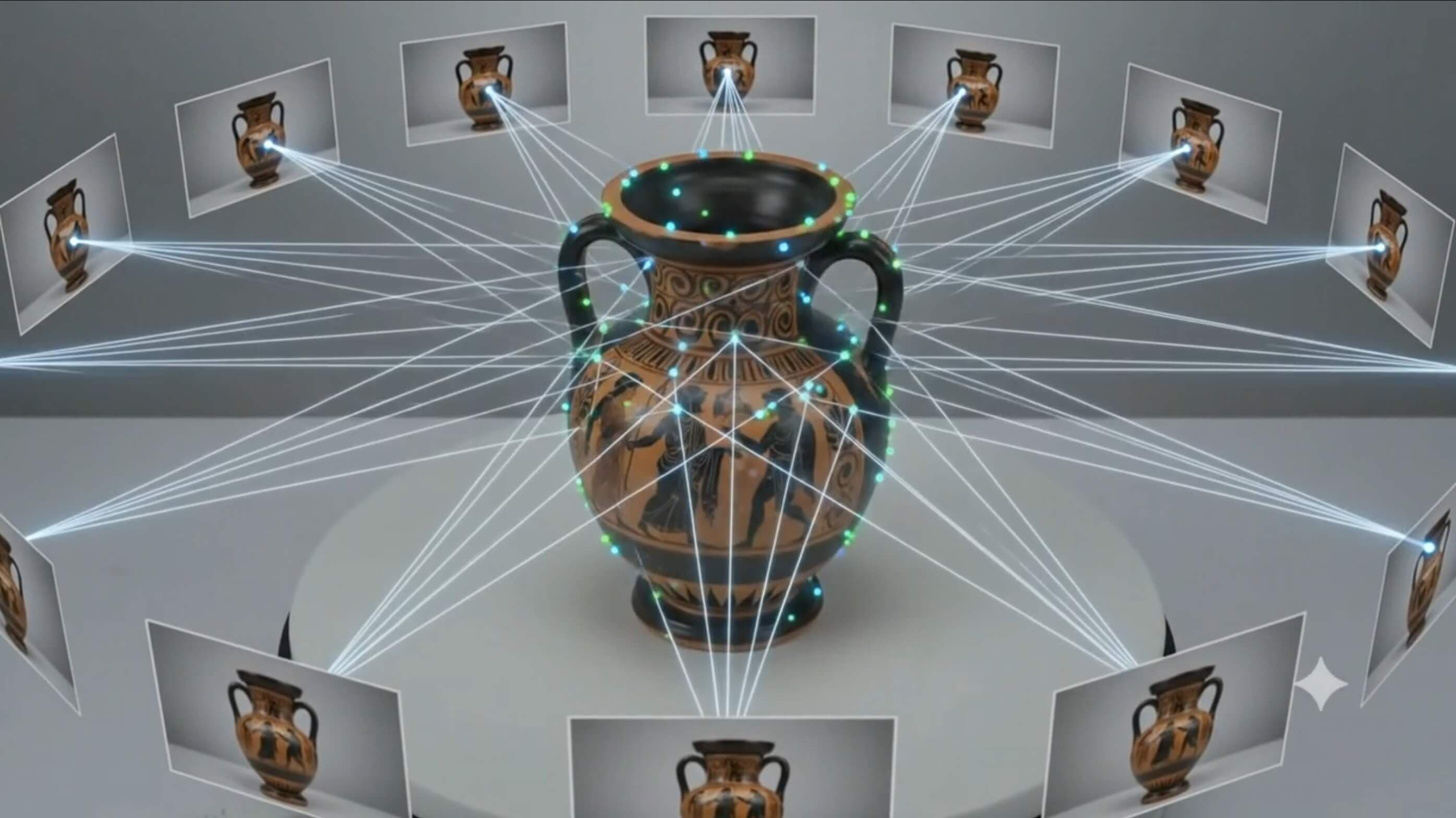
3D Scanning
Capture the object with high-resolution photogrammetry, preserving every surface detail, texture, and geometric feature in a digital format.
2
Material Simulation
Apply realistic material shaders and lighting to preview how the object will appear in different metals and finishes.
3
Comparison & Decision
Compare multiple material options side by side, evaluating how each finish affects the sculpture's visual character and impact.
4
Fabrication
Proceed with confidence to 3D printing, mold creation, and casting, knowing exactly how the final piece will look.
Why This Matters
The ability to preview materials digitally transforms the casting workflow. Instead of committing to expensive materials and fabrication processes based on guesswork, artists and fabricators can now make informed decisions that save both time and resources. This approach is particularly valuable for:
- Artists and sculptors exploring different aesthetic directions
- Clients and commissioners who need to approve designs before production
- Fabricators who want to optimize material choices and reduce waste
- Museums and institutions creating reproductions or replicas
The pinecone scan captures intricate surface details that would be difficult to model manually. By starting with a high-fidelity 3D scan, we ensure that material previews accurately represent how the final cast piece will look, including how light interacts with every ridge and texture.
Looking Forward
As 3D scanning technology continues to improve and material simulation becomes more sophisticated, this workflow will become an essential tool for anyone working with digital fabrication and casting. The combination of accurate geometry capture and realistic material preview creates a powerful decision-making tool that bridges the gap between digital design and physical production.
Interested in Material Preview for Your Project?
Contact us to learn more about how 3D scanning and material simulation can help you explore different finishes and make confident decisions before committing to fabrication.
Get Started Today