The Smithsonian Institution holds more than 157 million objects, but most of us will never see them in person. That is changing quickly thanks to its ambitious 3D digitization program.
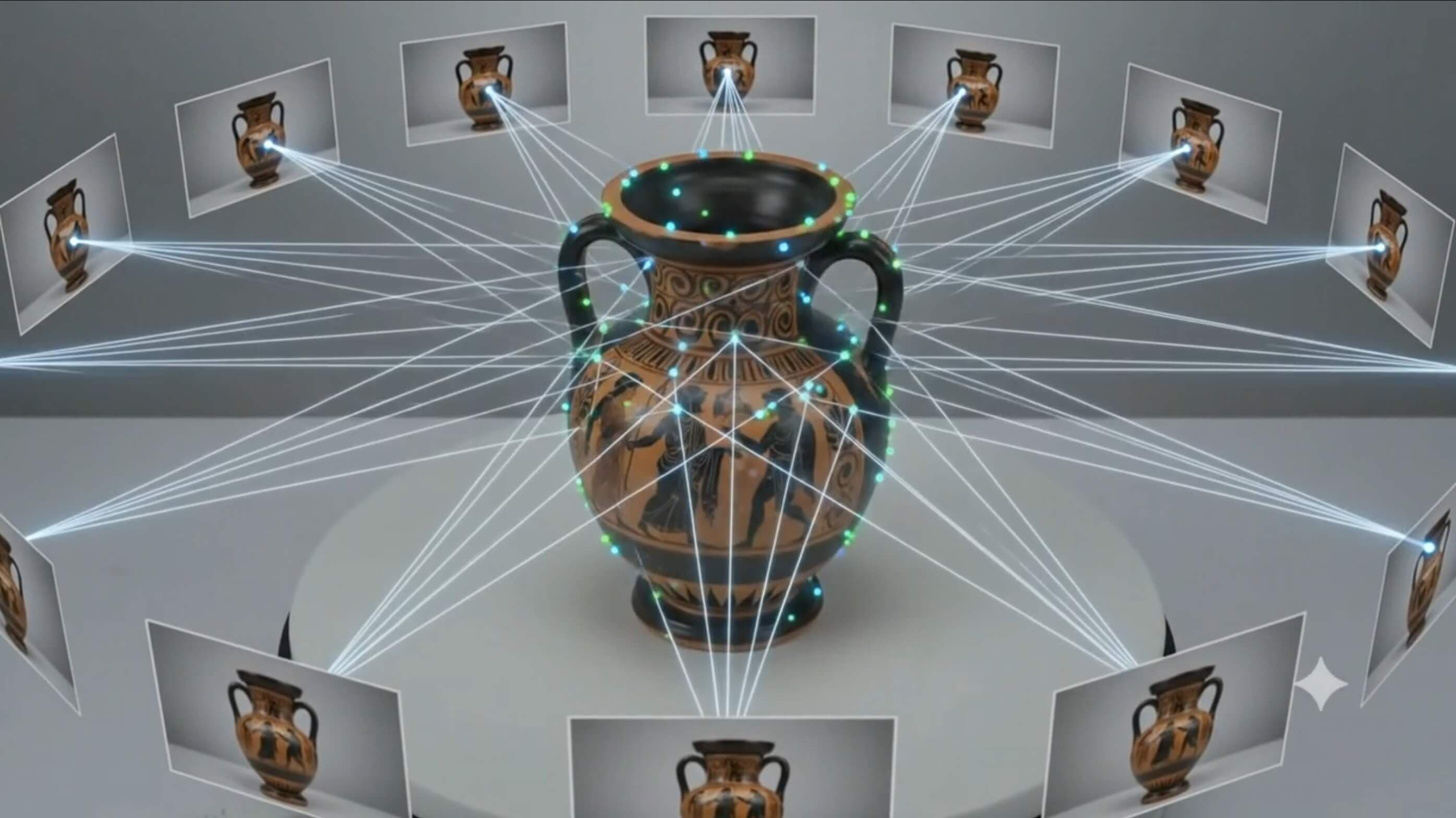
Over the past few years the Digitization Program Office has used photogrammetry, structured-light scanners, and LiDAR to create high-fidelity digital models of everything from the Nation’s T. rex fossil to the Apollo 11 Command Module Columbia, the 1903 Wright Flyer, and even live orchids for special exhibitions. In 2024 alone the team added models for vertebrate specimens, women’s sports artifacts tied to Title IX, and pieces exploring American racial history.
The process is straightforward but powerful: technicians capture thousands of photos or laser points, stitch them into accurate 3D files, and upload them to the free public platform at 3d.si.edu. Anyone with an internet connection can rotate, zoom, measure, or even 3D-print replicas at home.
These scans are not just pretty pictures: they let researchers study delicate fossils without touching them and let teachers bring history into classrooms worldwide. It is a strong example of how 3D scanning turns physical limitations into unlimited digital access.
Featured model: Space Shuttle Discovery (OV-103)
The hero viewer above shows Orbiter, Space Shuttle, OV-103, Discovery, the third Space Shuttle orbiter to fly. It entered service in 1984 and retired as the oldest and most flown orbiter in the fleet. Discovery flew 39 Earth-orbital missions, spent 365 days in space, and traveled almost 240 million kilometers (150 million miles), more than the other orbiters. It carried 184 men and women on those flights, many more than once, for a record-setting total crew count of 251.
Because Discovery flew every kind of mission the Space Shuttle was designed for, it embodies much of the thirty-year arc of U.S. human spaceflight from 1981 to 2011. Named for renowned sailing ships of exploration, it is preserved as intact as possible as it last flew in 2011 on the 133rd Space Shuttle mission. NASA transferred Discovery to the Smithsonian in April 2012 after a delivery flight over the nation’s capital.
Try this next on 3d.si.edu: open interactive models such as the Triceratops or the Apollo 11 Command Module and compare detail, scale, and lighting in the same Voyager viewer, which works well for before/after or side-by-side teaching moments.
Read more
- Smithsonian 3D: Explore collections, curated stories, and the Labs experiments.
- Digitization Program Office: Annual Reports: Yearly overview of digitization work, including 3D and collections programs (see the latest report for 2024 activity).
Bring 3D Scanning to Your Collection
The same approach the Smithsonian uses at scale applies to collections of any size. Learn more about our 3D scanning services to see what professional digitization looks like for regional institutions and archives.
Get Started Today